Critical A.I Literacy in Teacher Education: Preparing Educators
& Students
Two-Day Summit
A two-day summit will bring together people working across several fields, including: teacher educators and practicing teachers, media literacy and AI literacy experts, people working with Indigenous, diasporic, newcomer, and equity-focused communities, media literacy and AI literacy experts, people working with Indigenous, diasporic, newcomer, and equity-focused communities. The summit will be a working conversation with the purpose of gathering input from different sectors on what critical AI and media literacy should look like now, and will help identify major challenges educators and media practitioners are seeing, what students need to understand about AI and disinformation, and what kinds of resources would be most useful to build out in teacher education.
Meet our Summit Participants

Amy Awad
Amy Awad leads the Digital and Creative Marketplace Frameworks branch at Canadian Heritage where she works on issues related to digital transition and culture including broadcasting, online safety, copyright, news and disinformation. She previously worked on the negotiation and implementation of labour and culture provisions in Canada’s free trade agreements. Prior to joining the government, she was a litigator for the Ontario Nurses’ Association and worked at a national human rights and advocacy organization. Amy holds degrees in software engineering and law including a masters in law and technology from the University of Ottawa.

Carol Arcus
Carol Arcus (B.Ed., M.A.) is a Director and former Vice President of the Association for Media Literacy (AML), which she has served for more than 30 years. A retired Ontario educator, she has over 20 years’ experience teaching Media Studies and English. Carol teaches AML’s Media Studies Additional Qualification course and contributed to the writing and review of two iterations of Ontario’s secondary media literacy curriculum. She has written and presented extensively on media literacy, digital culture, and media education and co-hosted AML’s Mediacy podcast. Carol also serves on the McLuhan Foundation Board and has presented at conferences and professional learning events in Canada and internationally. Her work supports educators in developing critical, creative, inquiry-based approaches to media literacy across subjects and grade levels and in diverse learning contexts.

Willa Black
Willa Black is a 24 year veteran of the technology sector, most recently as VP, Corporate Affairs for Cisco Canada, Willa has had a meaningful national impact with her leadership of programming and advocacy work for Digital Equity and Inclusion, and capacity building across Canada’s Social Impact sector. Working with governments, non-governmental organizations, the private sector, and communities nationwide, Willa galvanizes ecosystems of partners focused on sustainable change. In 2013 Willa founded Connected North, using video technology to connect Indigenous students in the remote north to Education and Mental Wellness experiences and resources not available to them where they live. Today, the program serves 45,000 students and 3,000 teachers across 240 schools and was recently recognized at the United Nations General Assembly as one of the 15 leading digital education programs worldwide. She Chairs the Connected North Advisory Board, sits on the Boards of DAIS and The McLuhan Foundation, and acts as an Advisor/Mentor to the University of Toronto’s College of St Michaels Social Responsibility and Sustainability Gradate Diploma. Willa has been recognized for her work with the Meritorious Service Medal, the King Charles Coronation Medal, the Canadian Council for Indigenous Business Award for Excellence in Indigenous Relations, was named a Toronto YWCA Woman of Distinction and a Top 25 Woman of Influence.

Lydia Cao
Dr. Lydia Cao is an Assistant Professor of Digital Technologies in Education at the Ontario Institute for Studies in Education (OISE), University of Toronto. Her research focuses on AI literacy, teacher learning, and the design of AI systems that strengthen human collaboration, collective knowledge building, and learner agency. She received her PhD in Education from the University of Cambridge and held postdoctoral fellowships at the Harvard Graduate School of Education and OISE, where she led research on collaborative AI and cross-community knowledge building for sustainability. Dr. Cao teaches Introduction to AI in Education at the University of Toronto and works closely with educators, schools, and community organizations to transform teaching and learning practices in the age of AI. Before entering academia, she was a high school science teacher.

Leslie Chan
Leslie Chan is Associate Professor, Teaching Stream, in the Department of Global Development Studies and Director of the Knowledge Equity Lab at the University of Toronto Scarborough. His teaching and research examine the geopolitics of knowledge production and the corporate-controlled digital infrastructures that mediate whose knowledge is visible, valued, and acted upon. Grounded in epistemic justice, his current work explores how “AI” intensifies longstanding inequalities in knowledge production through data extraction, algorithmic governance, platform concentration, and the erasure of marginalized knowledge and labour. His approach connects critical pedagogy and community-based participatory research, asking who defines research problems, whose expertise counts, and who holds standards setting power. Leslie works with students, scholars, and community partners to develop strategies to resist extractive AI systems and build participatory, community-governed alternatives. Central to this work is strengthening communities’ capacity to shape their own knowledge futures and hold institutions accountable.

Nichole E. Grant
Nichole E. Grant (she/her) currently resides with her family in Ottawa, Ontario, the traditional unceded territories of the Anishinaabe Algonquin Peoples and is Director of Research at the Canadian Teachers’ Federation. In her role, Nichole is currently co-leading a national strategy to address teacher retention and recruitment through the PARACHUTE Educator survey series and supports the ongoing evidence-advocacy in responding to AI in public education for the federation. She has also undertaken research in educator mental health, educational privatization, and equity in educational policies and practices from a pan-Canadian perspective. Nichole holds a PhD from the University of Ottawa in Educational Studies with a focus feminist, anti-oppressive, and posthumanist approaches to education.

Dani Dilkes
Dr. Dani Dilkes is an interdisciplinary scholar who will be starting a postdoctoral fellowship with the Starling Centre for Just Technologies and Just Societies in the Faculty of Information and Media Studies at Western University in February 2027. Her work sits at the intersection of knowledge and design justice, critical pedagogy, and feminist science and technology studies. Her AI scholarship is currently focused on radical imagination, the futures of higher education, relationality and AI in education, and exploring how education is shaped and constrained by contemporary social and technological imaginaries. Dani developed the Domains of AI Awareness as a counter-framework to emerging AI Literacy frameworks, and has led multiple initiatives exploring generative AI discourse, including the Generative AI Challenge, where she has invited interdisciplinary contributors from across the institution to reflect on various matters of concern related to generative AI.

Skylee-Storm Hogan-Stacey
Skylee-Storm Hogan-Stacey is the Senior Research Officer in Critical Data Studies at the First Nations Information Governance Centre (FNIGC). She conducts critical inquiry and applied research with the Data Sovereignty Research Collaborative, examining data’s role in Indigenous governance and colonial control. Through her work with FNIGC and the Global Indigenous Data Alliance (GIDA), she co-authored a Communiqué on artificial intelligence and Indigenous data sovereignty. Skylee-Storm has a diverse background in historical research supporting Survivor groups, which led her to co-author a chapter in the 2026 book edited by Sean Carleton and Niigaanwewidam Sinclair, Truth Before Reconciliation: Confronting Residential School Denialism. In 2023, she collaborated with public historian Krista McCracken on Decolonial Archival Futures, focusing on reshaping archival practices. Skylee-Storm identifies with paternal Kanien:keha’ka heritage from Kahnawà:ke and maternal settler heritage from Newfoundland.

Marie Heath
Marie Heath (she/her) is Associate Professor of Learning Design and Technology at Loyola University Maryland; Co-Founder and Executive Director of Civics of Technology (www.civicsoftechnology.org), an organization with international reach that empowers students and educators to critically inquire into the effects of technologies on their individual and collective lives; Co-Editor of the CITE Social Studies Journal; and faculty fellow at Loyola’s Center for Research and Evaluation. She recently co-authored an award-winning book, Critical AI in K-12 Classrooms: A Practical Guide for Cultivating Joy and Justice. Prior to her work in higher education, Marie taught high school social studies in Baltimore County Public Schools. Her scholarship has won awards for its influence on teacher education, social studies education, and technology education, as well as for public reach and community engagement. She is a sought-after public speaker, award-winning teacher, and advocate for technological futures rooted in justice, joy, and democracy.

Janette Hughes
Dr. Janette Hughes is a Professor in the Frazer Faculty of Education at Ontario Tech University and Director of the Centre for Digital Innovation in Education. A former Canada Research Chair in Technology & Pedagogy (2015-2025), her research focuses on critical digital literacies, artificial intelligence in education, human flourishing, and innovative approaches to teaching and learning. Dr. Hughes is widely recognized for her leadership in advancing AI literacy, mentoring emerging scholars, and fostering equitable and inclusive educational practices through research, community partnerships, and knowledge mobilization initiatives.

Matthew Johnson
Matthew Johnson is Director of Education for MediaSmarts, Canada’s centre for digital media literacy. He was a founding member of the Canadian Pediatric Society’s Digital Health Task force and has served on expert groups convened by the Information Privacy Commissioner of Ontario, the Sex Information and Education Council of Canada and others.

Jason Lay
Jason Lay is a Digital Literacy Consultant with the York Region District School Board (YRDSB), dedicated to empowering educators and students through critical AI engagement. Jason leads equity-centered digital innovation to raise student achievement in literacy, dismantle systemic barriers, and foster safe, inclusive learning environments across the board. He holds a Master of Education and a Master of Business Administration, bringing a dual perspective to the intersection of pedagogy, technology, and organizational leadership. Beyond his board role, Jason collaborates across educational networks to strengthen capacity, promote human rights, and establish ethical AI frameworks. As a workshop presenter and advocate for underserved learners, he builds practical strategies that enhance digital literacy while keeping critical thinking and well-being at the forefront.

Kim MacKinnon
Dr. Kim MacKinnon oversees a vibrant program of education research conducted through the Eureka! Research Institute at UTS, one of the few research institutes based at a school in Canada. A champion of the Institute’s mandate for co-designed research in education, she supports pre-service and in-service teachers to become active co-leaders and participants in the research process, often in partnership with University of Toronto researchers. Since joining UTS in 2020, Kim has also served as a vital conduit between UTS and one of the school’s major U of T partners, the Ontario Institute for Studies in Education (OISE), where she is an assistant professor in the teaching stream, and coordinator of the cohort of master of teaching students placed at UTS each year. Her research interests include teacher professional learning, practitioner-based applied research, and exploring the role of digital technologies for supporting knowledge building. Her work has shed light on the importance of context for exploring change and innovation in classrooms.

Andrew McConnell
Andrew McConnell Anishinaabe, Nipissing First Nation) is a seconded instructor in York University’s Faculty of Education and a course director at the Waaban Indigenous Teacher Education Program. He is a PhD Candidate in Digital Media at York’s Lassonde School of Engineering, where he holds an IBET Fellowship. His doctoral research asks what digital infrastructure urban Indigenous communities need to connect with relational knowledge, and what must they learn to build, tend, and sustain it. Andrew has built and tested chatbots based on Indigenous scholarship on York’s AURA platform and co-published benchmark datasets evaluating AI translation tools for Anishinaabemowin. In the Toronto Pod of Abundant Intelligences, he works on community-governed approaches to AI. In 2026 he presented in Paris at AI4CHIEF (Symposium on AI for Cultural Heritage and Indigenous Futures), in Rome at the AI and Indigenous Peoples conference, and at the 51st Annual Conference of the International Association for Educational Assessment (IAEA). A former coordinator of Indigenous Education at the York Region District School Board, he brings two decades of experience in Indigenous pedagogy, technology, and teacher education.

Paula McDowell
Paula McDowell, PhD, is an Associate Dean (Research, Graduate Support, and International Initiatives) and an Associate Professor in the College of Education at the University of Saskatchewan. Her research explores how people learn and teach with technology, including AI, VR, and digital games. As a dedicated mentor, she has supervised nearly 50 graduate theses and projects and is proud that her co-authored publications with students have earned multiple awards and research funding. Her innovative teaching and open-access books, developed in collaboration with students, have earned international recognition.

Linda Schuyler
Dedicated to the art of storytelling, Linda is best known for work that explores the human experience, breaks stereotypes, and encourages communications. Linda is the executive producer and co-creator of over 500 episodes of the internationally recognized, multi-award winning Degrassi television franchise. As a long-time educator, storyteller, and entrepreneur, she is a mentor and guest lecturer at various universities, and, maintains an active involvement in a range of community and professional organizations. Linda began her career as a Junior High School teacher and was a founding member of the Association for Media Literacy. She is a Member of both the Order of Canada and the Order of Ontario. Her memoir, The Mother of all Degrassi, published Nov. 2022, won an Axion Silver Medal (‘23). In Dec., 2023, Degrassi was inducted into Canada’s Walk of Fame.
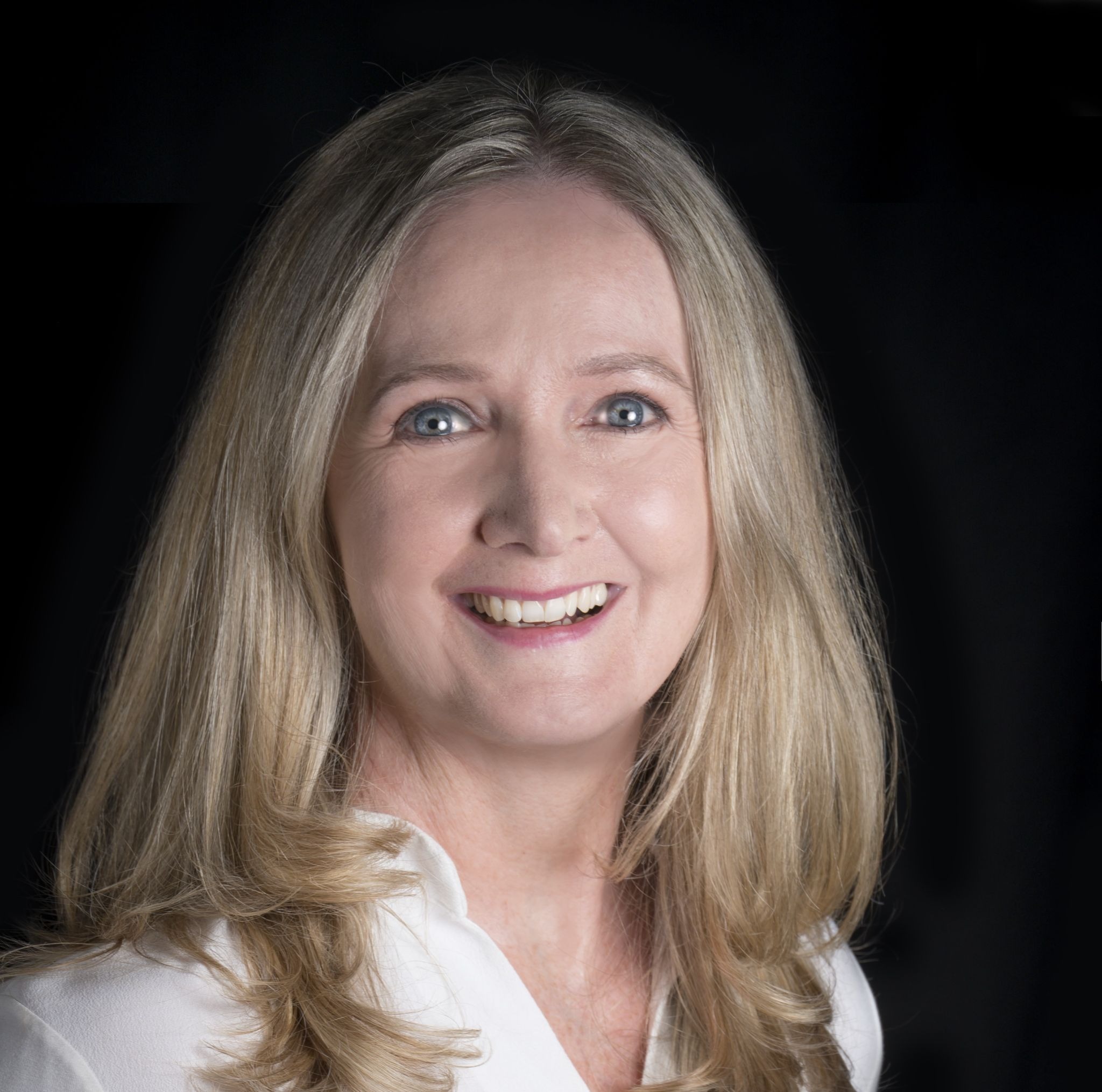
Heidi Siwak
Heidi Siwak is an Ontario educator with over 30 years of experience. She leads I-Think’s work in Artificial Intelligence and is the architect of I-Think’s Artificial Intelligence Challenge Kit for grades 6-12. She has helped over 5,000 students and their teachers engage in deep critical thinking about AI. Heidi leads AI workshops for educators, subject associations, faculties of education, and parent groups, and also serves as a keynote panelist, conference presenter, and podcast guest. She is an alumnus of the Mila Quebec Institute for Artificial Intelligence Summer School for Responsible AI and Human Rights. Prior to I-Think, Heidi was a K-8 educator for the Hamilton-Wentworth District School Board. She has a B.A. from McMaster University, a B.Ed from the University of Toronto, and an M.Ed in Education Leadership and Policy from OISE. Her work includes several years at the Ontario Ministry of Education. Heidi is passionately committed to helping students, teachers, and school leaders develop essential skills to explore the key issues AI raises for society and education systems. She believes student and teacher voice and agency must be prioritized as AI tools for education are developed.

Jason Trinh
Jason Trinh is the Coordinator of Transferable Skills in the Toronto District School Board in Ontario, Canada. In this role, he supports digital learning across the district of over 15,000 educators through the design and delivery of staff professional learning. He is an award-winning educator, recipient of the Premier’s Award for Teaching Excellence, Canadian EdTech Teacher of the year, ISTE Digital Equity Award, and was named one of ISTE’s 20 to Watch. Jason specializes in digital media creation to support educators in transforming their teaching practice. As an active participant in his professional learning networks, he contributes to the Google Innovator, Google Trainer, Apple Distinguished Educator and ISTE Community Leader communities. He shares his passion for creativity, technology and diversity/equity/inclusion as a workshop facilitator, digital creator and speaker across North America.

Zhaozhe Wang
Zhaozhe Wang is an Assistant Professor at the University of Toronto, where he holds a cross-appointment in the Institute for the Study of University Pedagogy at UTM and the Department of Curriculum, Teaching and Learning at OISE. He specializes in writing/rhetoric studies and second language studies, with particular interests in areas such as multilingual writing and literacy, transnational rhetorics, digital media, and critical digital/AI literacies. Drawing on research with linguistically diverse student writers, he co-developed the APSE model, which frames critical AI literacy through four interrelated dimensions. His posthumanist work reconceives AI literacy as relational, where he invites educators to examine how meaning, agency, and authorship emerge through students’ entanglements with AI.

Amanda Wheatley
Amanda Wheatley is an Associate Librarian at McGill University and is the liaison for Management, Business, and Entrepreneurship. She received her Master of Library and Information Science from Western University in 2015. She is the co-editor of The Rise of AI: Implications and Applications of Artificial Intelligence in Academic Libraries and the co-author of an AI literacy framework for librarians. Amanda first began her research on AI and libraries in 2018 while looking at the intersection of information-seeking behaviour and voice assistant technologies. She launched her first AI literacy workshop series in March 2020 for the McGill University community and has since expanded on these sessions to include Generative AI. She also tailors bespoke workshops to individual classes and library associations. At McGill University, Amanda co-chairs the Libraries’ AI Working Group and sits on the Leadership Group for McGill’s Collaborative for AI in Society (McCAIS). Since January 2026, Amanda has served as the Visiting Program Officer for AI at the Canadian Association of Research Libraries and helped contribute to their statement on Libraries and Student AI Literacy.